Fortune 500 Manufacturer

Solving Operational and Financial Challenges from Ontario’s Global Adjustment

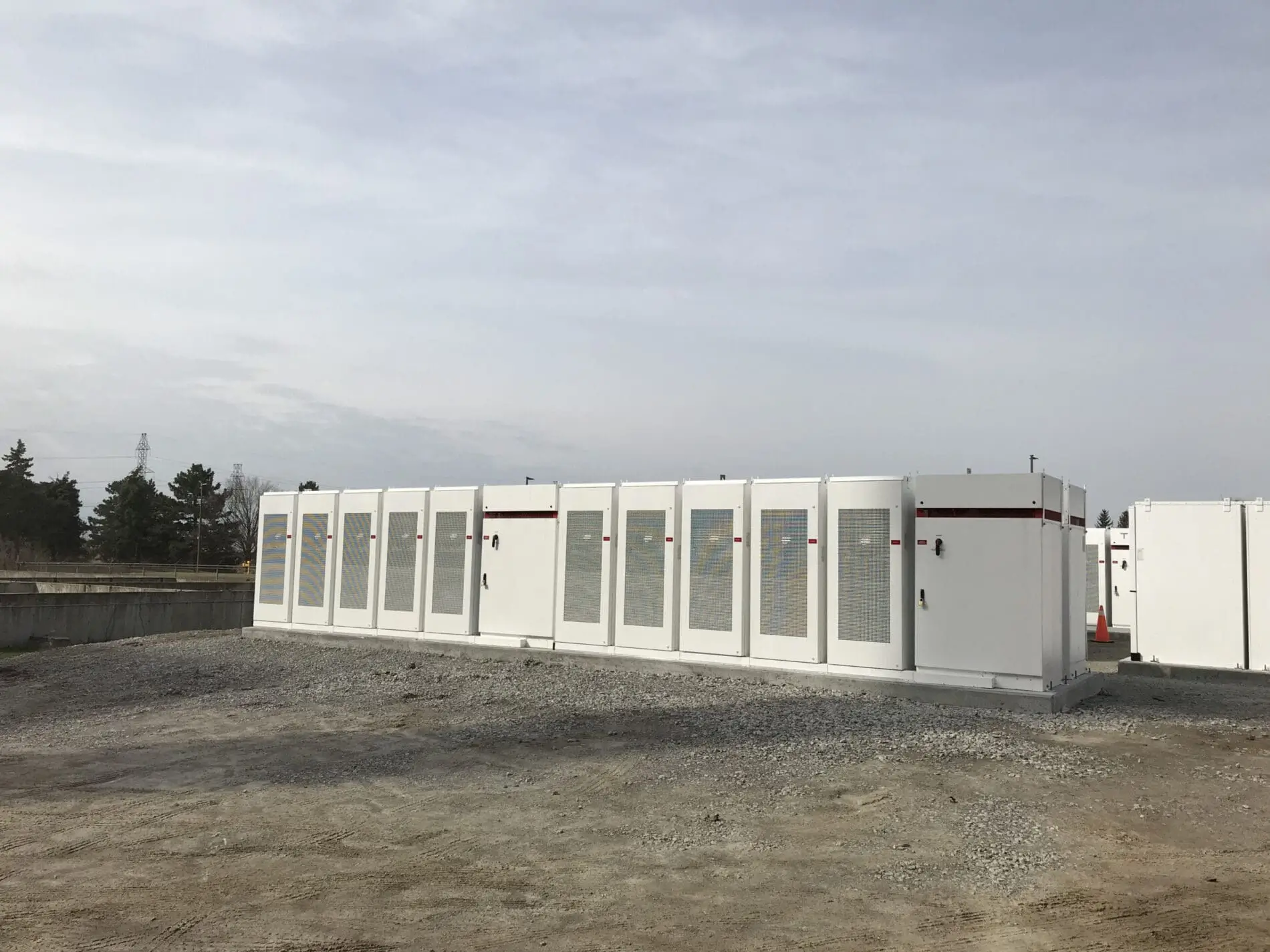
Facing ever-rising energy costs and a limited ability to control them, a Fortune 500 building materials manufacturer contacted Stem about installing battery energy storage. Like many industrials in Canada’s leading manufacturing province, the company was spending upwards of two-thirds of its facility’s electricity bill on charges from Global Adjustment (GA), Ontario’s mechanism for recovering costs associated with meeting peak electricity demand.

Over time, GA has grown substantially as a share of Ontario customers’ electricity costs. Because a customer’s GA costs are based on electricity use during the province’s five highest annual peak demand hours, organizations can drastically cut costs by reducing demand in those hours.

Location

Scarborough, Ontario

Facility Type

Manufacturing

Solutions

Energy Storage, Utility Bill Optimization, Demand Response, Professional Services

Commercial Operation Date

June 2019

Energy Storage System Size

5.3MW / 8.5MWh

Annual Savings

$1.6M CAD

Challenge

Staff were manually curtailing the facility’s electric load, which regularly exceeds 10MW, in response to peak predictions that were unreliable. Moreover, as a thermally driven manufacturer whose equipment couldn’t be turned off and on quickly, curtailment was especially cumbersome. It was a lot of effort, and a significant opportunity cost, if a peak didn’t occur.​

Solution

Athena’s predictive analytics combine tens of thousands of historical, forecasted, and real-time data points, including 5-minute market data and local and provincial weather forecasts, to optimize dispatch of Stem battery systems. Given the importance of peak prediction, Athena leverages multiple forecasts and continually analyzes actual vs. forecasted peaks to further hone its accuracy.

Results

In addition to identifying and installing the right storage solution for the client – a battery with 8.5MWh capacity – Stem actively coordinates with them around likely peak hours in order to achieve maximum energy savings. The combination of Stem’s battery system and the client’s own curtailment efforts have reduced the facility’s electricity demand to just under 1MW – about 90 percent below its typical load.